


- A Cost Segregation Company
COST SEGREGATION
Accelerate Depreciation. Reduce Taxes. Unlock Cash Flow.
- 15+ Years CPA Expertise
- AI-Powered Accuracy
- IRS-Compliant Reports
Transform Your Property Into Immediate Tax Savings
Cost segregation is one of the most powerful tax strategies available to real estate investors.
By identifying and reclassifying building components into shorter depreciation categories, you can front-load deductions, reduce taxable income, and increase cash flow - starting this year.
Our AI-driven analysis uses precision methodology and tax expertise to deliver faster, accurate, and fully IRS defensible studies.
Why Cost Segregation Matters ?
A standard depreciation schedule spreads deductions over 27.5 or 39 years. Cost segregation accelerates this by identifying assets that qualify for 5-, 7-, and 15-year depreciation, such as:
- Flooring, lighting & electrical systems
- Carpeting, cabinetry & interior finishes
- Parking lots, sidewalks & landscaping
- Specialized mechanical or plumbing systems
Most properties qualify for 20–35% reclassification, resulting in tens of thousands of dollars in upfront tax savings.
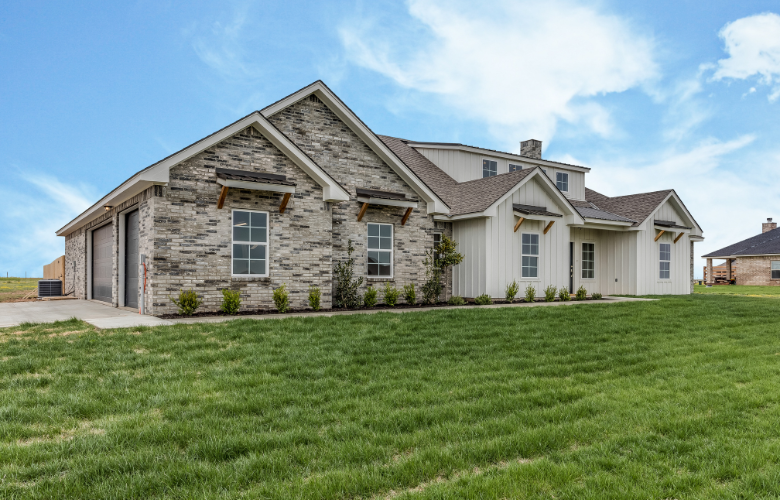
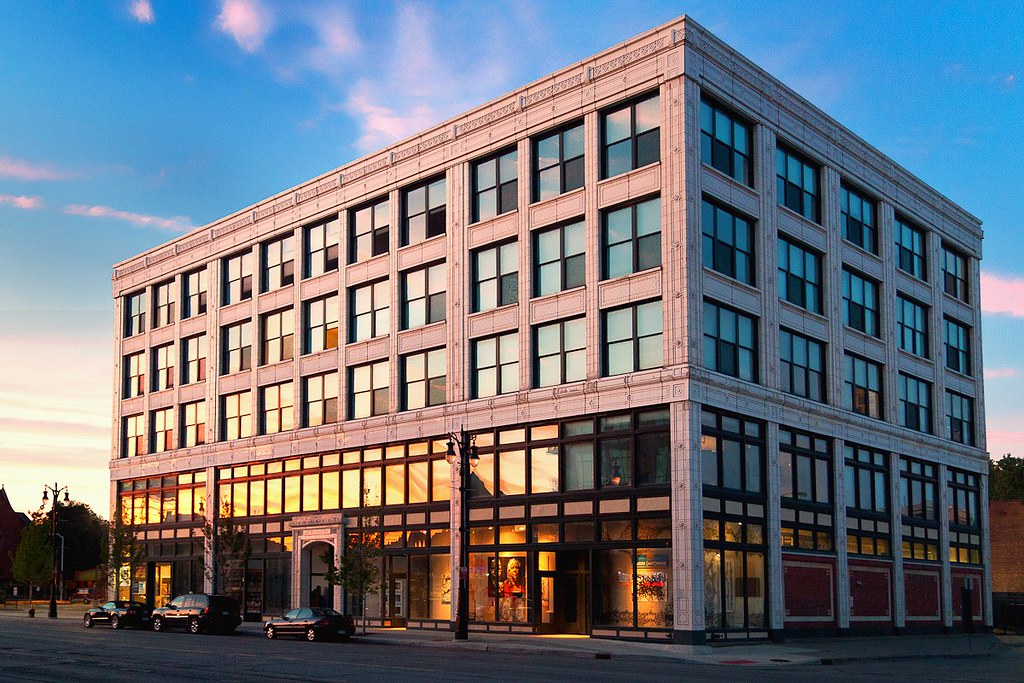
Opportunities for Cost Segregation
01. Commercial Property Owners
Office buildings, retail centers, medical facilities, warehouses, hospitality, and industrial properties.
02. Residential Investors
Single-family rentals, multi-family properties, Airbnb/STRs, and build-to-rent portfolios.
03. Recent Purchases
If you purchased, built, or improved property after 2018, you likely qualify for accelerated depreciation.
04. Portfolio Owners
Apply studies across your entire real estate portfolio to maximize deductions year after year.
- Commercial Property Owners
- Residential Investors
- Recent Purchases
- Portfolio Owners
Estimate Your Tax Savings
Our Cost Segregation calculation gives you a realistic estimate of accelerated depreciation based on:
For precise results, our software-backed study identifies every eligible component to maximize deductions and tax savings.
How Our Cost Segregation Process Works
We’ve streamlined the process using AI automation and software-backed analysis to deliver unmatched accuracy and speed.

-
Free Preliminary Analysis
Provide basic property details and receive an instant estimate of potential tax savings using our AI-powered model trained on property data.
-
Engineering Software-Backed AI Study
Our specialists combine advanced engineering software, AI, and on-site measurements with 3D mapping and drone imaging to evaluate 150+ components accurately.
-
IRS-Ready Report + CPA Implementation
Receive a fully documented, audit-defensible software-backed report. We collaborate with your CPA or tax advisor to ensure proper filing and maximize savings.
 What We Do
We specialize in AI-enhanced cost segregation studies for:
- Multi-Family
- Single-Family
- Retail & Shopping Centers
- Industrial & Warehouse
- Self-Storage Facilities
- Hotels & Hospitality
- Medical & Dental Offices
- Office Buildings
- Mixed-Use Buildings
- General Commercial
- Development Projects
- Specialty Property Types

Frequently Asked Question
Q. What is the benefit of a Cost Segregation Study?
A.
A cost segregation study accelerates depreciation deductions by identifying building components that can be written off over shorter lifespans. This reduces taxable income in the early years of ownership, improving cash flow and lowering your overall tax liability. Most investors see significant front-loaded savings that can be reinvested back into their portfolio.
Q. What is a cost segregation study?
A.
It is an engineering-based tax analysis that breaks down a property into individual components such as electrical, plumbing, flooring, site improvements and reclassifies them into shorter depreciation categories. This allows investors to claim higher deductions earlier, in full compliance with IRS guidelines. The study is performed by engineers, tax specialists, and cost analysts.
Q. What real estate components can typically be accelerated through a cost segregation study?
A.
Items like carpeting, cabinetry, decorative lighting, special-use electrical and plumbing, parking lots, sidewalks, landscaping, and site utilities often qualify for 5-, 7-, or 15-year depreciation. These components are separated from the main structure, which is depreciated over 27.5 or 39 years. The result is a significantly faster write-off of eligible assets.
Q. Does my property qualify for a cost segregation study?
A.
Most commercial properties and residential rental buildings placed into service after 1986 qualify. Whether purchased, constructed, or renovated, properties like offices, warehouses, retail centers, multi-family units, and short-term rentals often benefit. Even smaller properties can see meaningful tax savings depending on cost basis and use.
Q. When should a cost segregation study be done?
A.
The best time is the year the property is placed into service, but studies can also be done retroactively on properties owned for several years. Through a “catch-up” 481(a) adjustment, you can claim all missed depreciation deductions in the current year without amending prior returns. This makes cost segregation valuable even for older assets.
Q. How long does a cost segregation study take?
A.
A standard study typically takes 2–4 weeks depending on the size, property type, and availability of documents. AI-assisted analysis can shorten timelines, but final reports still undergo manual engineering and tax review. Larger commercial buildings or portfolios may require more time for verification and data gathering.
Q. What information is needed to complete a cost segregation study?
A.
Required items may include purchase documents, construction costs, appraisals, site plans, blueprints, depreciation schedules, and property photos. The more detail available, the more accurate and defensible the allocation. If certain records are missing, alternative estimation methods may still allow the study to be completed.
Q. How much can I save with a cost segregation study?
A.
Savings vary by property type, cost, and useful life, but many investors can save up to 50% by reclassifying building costs into shorter depreciation categories. This often translates into tens of thousands to hundreds of thousands in accelerated deductions. A preliminary analysis can estimate your specific savings potential.